
Quick summary: Summer terrace season is here, and we are celebrating National Rosé Day all month long with crisp, dry South African pinks. From still rosés to sparkling Cap Classique, here is why South African wine deserves a spot in your glass this season and what to pair it with from our menu
Summer in London means one thing: terrace season. And no terrace afternoon is complete without a perfectly chilled glass of rosé. With National Rosé Day falling in June, we are taking the opportunity to celebrate this incredibly versatile style of wine all summer long.
If you are searching for the best rosé in London, we suggest looking further south than Provence. The South African Cape produces some of the most dynamic, structured, and refreshing pink wines in the world right now. Here is why South African rosé deserves a spot in your glass this summer.
Why South African Rosé Stands Out
While European rosés often dominate the conversation, South African winemakers are quietly producing exceptional, terroir-driven pink wines. The Cape's intense sunlight and cooling maritime breezes create the perfect conditions for grapes to ripen fully while maintaining bright, crisp acidity.
South African rosés are typically drier and more structured, often making use of robust red grapes like Pinotage, Cinsault, or Grenache. Pinotage, in particular, delivers a vibrant, earthy, and fruit-forward profile you simply won't find anywhere else in the world. This gives the resulting wines a savoury edge that makes them genuinely interesting at the table, rather than just a casual patio pour.
A perfect example to try: The Nieuwe Haarlem Rosé (Coastal Region). Crafted from a carefully selected blend of Grenache and Mourvèdre, this vibrant and refreshing wine beautifully showcases the region's climate and soil. It delivers real structure and character to the glass.
Don't Forget the Bubbles: Méthode Cap Classique
If you want to elevate your afternoon, South African sparkling rosé is a must-try. Known as Méthode Cap Classique (or MCC), these sparkling wines are made using the exact same traditional method as Champagne. This time-honoured process is what creates those delicate, persistent bubbles and notes of freshly baked brioche.
For a brilliant expression of this style, look to the Genevieve MCC NV Rosé (Bot River). Crafted from Shiraz, this exceptional Cap Classique offers layered complexity alongside delicate, elegant qualities. It is a luxurious pour without the immense price tag of its French cousins.
Pairing Rosé with the Vivat Bacchus Menu
Because of its structure and natural acidity, South African rosé is an exceptionally food-friendly wine. It bridges the gap between white and red, making it a brilliant companion to the robust flavours on our menu.
Here is how we recommend pairing it:
With Biltong and Droëwors: Traditional South African air-dried meat is cured with spices and vinegar for a rich, savoury flavour. Our Beef Droëwors / Beef Biltong offer savoury, spiced notes that are perfectly balanced by the bright, red-fruit acidity of a dry Cape rosé.
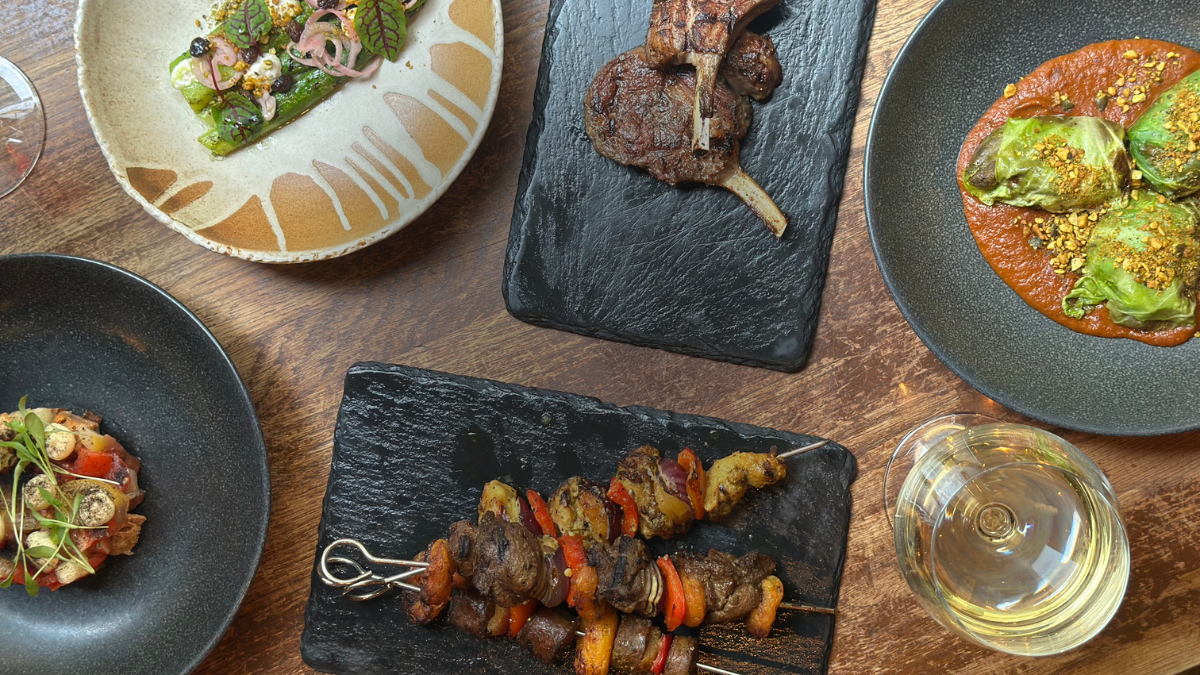
With the Braai: A structured rosé has enough backbone to stand up to grilled meats. Try it alongside our 'Karoo Style' Lamb Chop (Tjoppie) or a Chicken Sosatie straight off the braai.
With Lighter Plates: For a refreshing summer lunch, a crisp Cap Classique pairs beautifully with our Smoked Snoek Paté served with Peppadew relish , or the Braaied Asparagus with macadamia cream.
What Makes South African Wine Unique?
Want to sound like an expert at your next tasting? Here are a few things that make South African wine and culture so distinctive:
A Uniquely South African Grape: Pinotage, the bold red grape often used to give Cape rosé its vibrant character, is entirely unique to South Africa. It was created in 1925 by crossing delicate Pinot Noir with robust Cinsault.
The Magic Inside the Bottle: To earn the prestigious Cap Classique title, a South African sparkling wine must undergo its second fermentation inside the exact bottle you buy it in, resting on its yeast for a minimum of 12 months to develop those complex flavours.
Join Us on the Terrace
Whether you are catching the afternoon sun with a crisp still rosé or celebrating with a glass of Cap Classique, the best place to experience South African wine is on one of our outdoor terraces. Our team is ready to pour you a taste of the Cape.
Ready to explore?
People Also Ask
What grapes are used in South African rosé?
South African rosé is commonly made from Pinotage, Cinsault, Grenache, and Syrah (Shiraz). Pinotage, a grape unique to South Africa, produces rosés with bold, earthy, and distinct character, while Cinsault and Grenache offer lighter, red-fruit-driven profiles.
Is South African rosé sweet or dry?
The vast majority of premium South African rosé is made in a dry, crisp style. The intense sunshine of the Cape gives the wine plenty of ripe fruit flavour, which can sometimes trick the palate into perceiving sweetness, but the wines themselves typically have very little residual sugar.
What is Méthode Cap Classique?
Méthode Cap Classique (MCC) is the South African term for sparkling wine made using the traditional method—the same labour-intensive process used to make Champagne. Cap Classique rosés are highly regarded for their exceptional quality, fine bubbles, and incredible value.
Does Vivat Bacchus have outdoor seating?
Yes, Vivat Bacchus features outdoor terrace seating at both our London Bridge and Farringdon locations, making it the perfect spot to enjoy a chilled glass of South African wine during the London summer.
